
 Does Massage Help with Back Pain?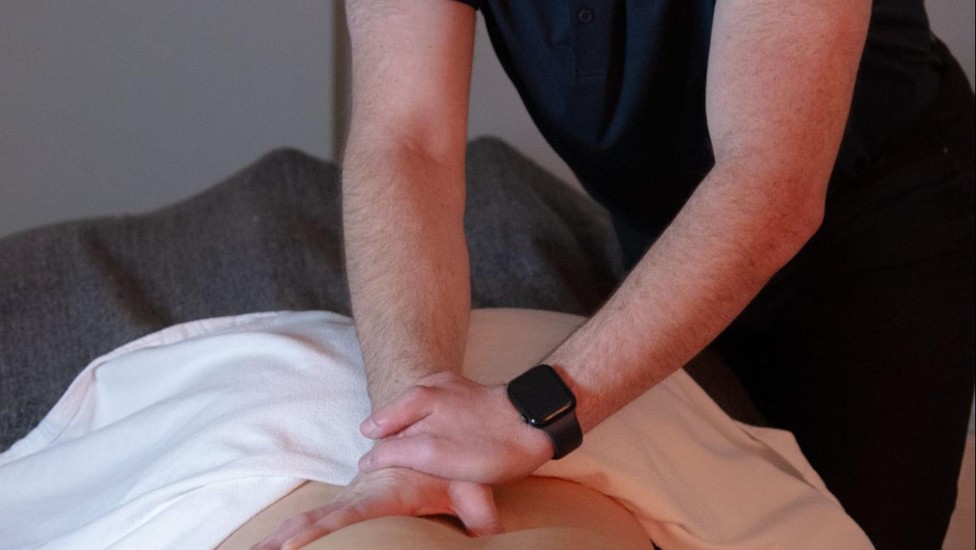
Back pain is one of the most common reasons people seek out massage therapy.
Back pain is extremely common in Canada, with almost one-third of Canadians saying back pain limits their work and daily lives, and four out of five adults (80%) experiencing it at some point in their lives.
Whether it’s stiffness after a long day at a desk, soreness from physical work, or recurring tension that seems to show up every week, many people want to know the same thing:
Does massage help with back pain?
For many individuals, massage therapy can be a valuable part of managing back discomfort. It can help reduce muscle tension, improve movement comfort, and support recovery from the physical demands of daily life.
At the same time, it’s important to understand that back pain is rarely as simple as having one “bad” muscle that needs to be worked on. The body is often responding to a combination of movement habits, workload, stress, recovery, and previous experiences.
Understanding those factors is often what leads to longer-lasting results.
Why Is Back Pain So Common?
The back does a lot of work.
Every day, it helps us:
- Sit
- Stand
- Walk
- Lift
- Carry
- Exercise
- Work
- Sleep
Because the back is involved in so many activities, it is exposed to a tremendous amount of physical demand over time.
Some people experience back discomfort because they sit for long periods. Others notice it after repetitive lifting, long commutes, demanding workdays, or periods of increased stress.
Many people are surprised to learn that there isn’t always a single event that causes their symptoms. Sometimes discomfort develops gradually because the body is adapting to the same demands day after day.
How Massage Therapy May Help
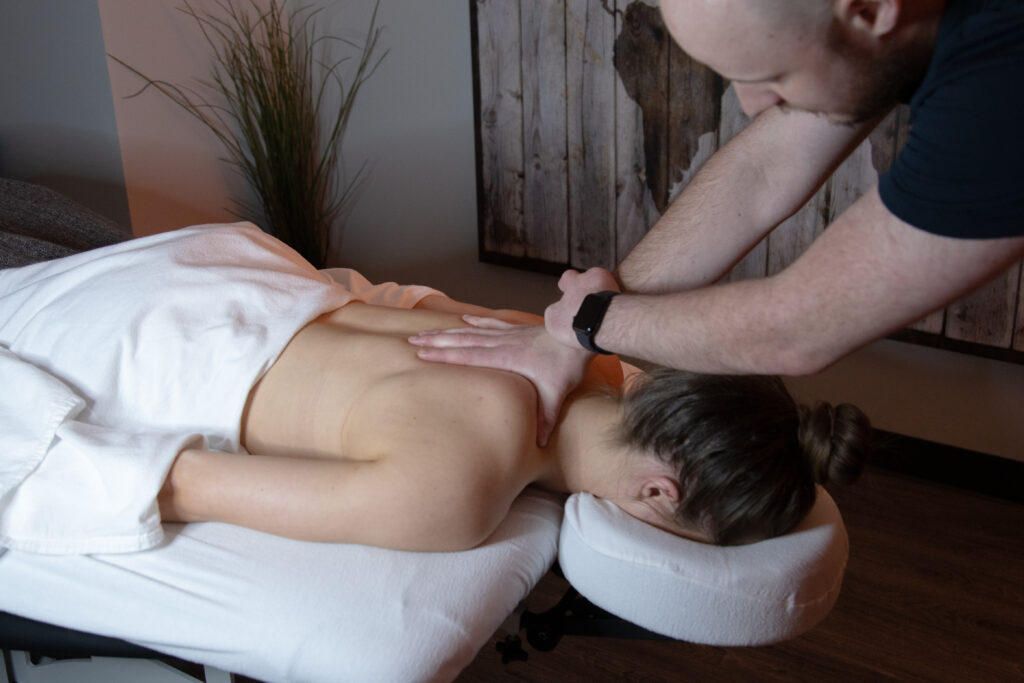
When people think about massage therapy and back pain, they often think of tight muscles.
While muscle tension is certainly part of the picture for many people, massage therapy can influence several factors that contribute to how the body feels.
Massage therapy may help:
- Reduce muscle tension
- Improve movement comfort
- Decrease feelings of stiffness
- Support recovery from physical activity
- Improve overall relaxation
- Increase awareness of areas carrying excess tension
Many people report that everyday activities feel easier after treatment. Bending, turning, sitting, standing, or exercising may feel more comfortable because the body is moving with less tension and restriction.
The exact response varies from person to person, which is why individualized care is so important.
What the Research Says
A number of systematic reviews and clinical practice guidelines have found that massage therapy can provide short-term improvements in pain and physical function, particularly for people with non-specific low back pain.
While the degree of improvement varies between individuals, massage is recognized as one of several conservative treatment options that may help people stay active and manage symptoms.
For example:
- A 2015 Cochrane Review concluded that massage therapy may provide short-term improvements in both pain and function for people with low back pain, although the certainty of the evidence ranged from low to moderate.
- The American College of Physicians’ clinical practice guideline (2017) recommends non-drug therapies—including massage—as an appropriate first-line treatment option for many adults with acute or subacute low back pain before considering medication.
- More recent clinical guidelines continue to support massage therapy as one of several conservative treatment options for some people with low back pain. The greatest long-term benefits are generally seen when manual therapy is combined with active approaches such as exercise, movement education, and rehabilitation rather than being relied on as a stand-alone treatment.
This reflects how we approach care at MYo Lab. Massage therapy can help reduce muscle tension and improve comfort, but long-term results often come from understanding why the discomfort developed in the first place and addressing the movement patterns, physical demands, and lifestyle factors contributing to it.
The Back Is Connected To Everything Around It
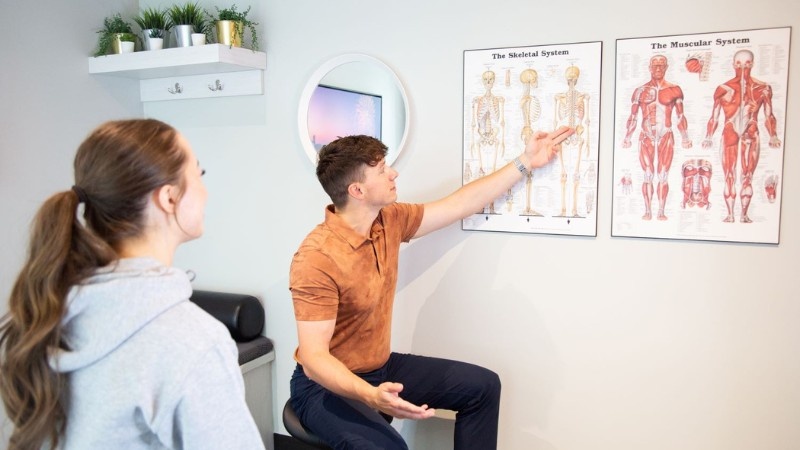
One reason back discomfort can be frustrating is that the area that hurts is not always the area doing the most work.
For example, someone may feel discomfort in their lower back, but the contributing factors may involve:
- Hip mobility
- Glute strength
- Repetitive lifting patterns
- Prolonged sitting
- Workstation setup
- Recovery habits
Similarly, tension between the shoulder blades may be influenced by:
- Long hours at a computer
- Repetitive reaching
- Stress-related muscle tension
- Limited movement throughout the day
This doesn’t mean the back isn’t important. It simply means that the body functions as a connected system.
A good massage therapy assessment looks beyond the location of discomfort and considers the bigger picture.
Why Does Some Back Pain Keep Coming Back
One of the most common frustrations people experience is temporary relief followed by a return of symptoms.
They get a massage.
They feel better.
A few days or weeks later, the tension returns.
This does not necessarily mean the treatment failed.
In many cases, the body simply returned to the same environment that created the tension in the first place.
Consider someone who:
- Sits for 9 hours a day
- Has a long commute
- Sleeps poorly
- Exercises inconsistently
- Is managing a high level of stress
Even if a treatment session helps reduce tension, those same daily demands are still present afterward.
The body continues adapting to the workload it experiences.
That is why treatment recommendations often include ongoing reassessment rather than a one-time approach.
More Pressure Is Not Always Better
Many people assume that if their back feels extremely tight, the solution is to use as much pressure as possible.
In reality, effective treatment is not determined by how uncomfortable it feels.
A skilled massage therapist adjusts pressure based on:
- Tissue response
- Patient comfort
- Treatment goals
- Assessment findings
Sometimes deeper pressure is appropriate.
Sometimes moderate pressure creates a better response.
Sometimes a more relaxation-focused treatment allows the body to settle enough that tension decreases naturally.
The goal is not to win a contest against the muscles. The goal is to help the body respond positively.
Assessment Should Guide Treatment
One of the most important parts of massage therapy happens before treatment begins.
An assessment helps determine:
- Where tension is occurring
- How long it has been present
- What activities aggravate symptoms
- What physical demands exist at work or home
- What the person’s goals are
This information helps create a treatment plan that is specific to the individual.
For one person, the goal may be improving comfort during long workdays.
For another, it may be supporting recovery from exercise.
For someone else, it may simply be maintaining the progress they have already achieved.
The recommendation should always be based on both objective findings and the goals of care.
Sometimes The Best Time For A Massage Is When You’re Feeling Good
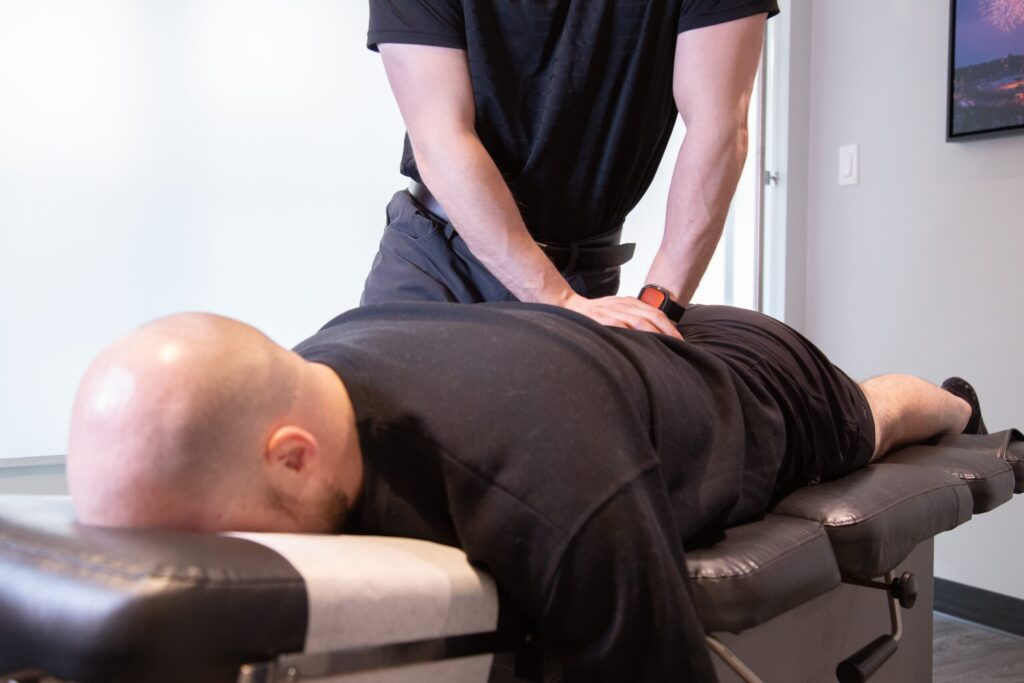
Many people only think about booking a massage when discomfort becomes difficult to ignore.
Interestingly, some of the most productive treatment sessions occur when someone is already doing well.
When symptoms are lower and the body is moving comfortably, massage therapists often have more opportunity to:
- Address recurring tension patterns
- Work through areas that have been compensating over time
- Improve overall tissue quality
- Support ongoing recovery and maintenance
The body has a tendency to return to familiar habits and movement patterns.
Continuing care during periods when things are going well can help maintain progress rather than waiting for tension to build again.
If your back has been feeling good lately, that is usually a sign that something in your routine is working.
That may include:
- Exercise
- Recovery habits
- Better movement practices
- Massage therapy
- A combination of several factors
Rather than abandoning those habits, it often makes sense to continue doing the things that are helping you stay successful.
Massage Therapy Works Best As Part Of A Larger Strategy
Massage therapy can be a valuable tool, but it is rarely the only factor involved in how someone feels.
People often see the greatest long-term success when massage therapy is combined with:
- Regular movement
- Strength training
- Mobility exercises
- Good recovery habits
- Managing physical workload
- Stress management strategies
The goal is to help the body handle the demands of daily life more effectively.
When those pieces work together, people often find it easier to maintain progress over time.
Is Massage Therapy Worth Trying For Back Pain?
For many people, yes.
Massage therapy can help improve movement comfort, reduce tension, support recovery, and provide valuable insight into how the body is responding to daily demands.
The most important thing is approaching treatment as part of an individualized process.
What works for one person may not be the right approach for another.
A thorough assessment, clear goals, and ongoing re-evaluation help ensure that care continues to match what the body needs.
Final thoughts

So, does massage help back pain?
For many individuals, massage therapy can be a useful tool for managing tension, improving comfort, and supporting recovery.
The greatest benefits often come from understanding that back discomfort is rarely caused by a single issue. It is usually influenced by a combination of movement, workload, recovery, and lifestyle factors.
The objective is not simply to feel better for a day or two.
The objective is to help your body continue handling life’s demands while moving and feeling its best over the long term.
Book your massage appointment with our RMT, Zack Hynes, here. You can also call us at (403) 930-8686 or email us at info@myolab.ca for more information. We’re conveniently located 5 minutes from Sunnyside C-Train with complimentary parking.
Written & fact-checked by Zack Hynes
 Related Articles