 Is Massage Therapy Worth It If You’re Not in Pain?
A lot of people think massage therapy is only something you book when your body is already hurting.
You tweak your neck.
Your back tightens up.
Your shoulders feel unbearable after a stressful week, so you book a massage.
But one of the biggest mindset shifts people make over time is realizing massage therapy doesn’t always have to be reactive.
So, is massage therapy worth it if you’re not in pain?
For many people, the answer is yes, and in some ways, massage therapy can actually be most effective when you’re not in pain.
Pain isn’t always the first sign your body is struggling
One thing we always tell our clients is that the body usually gives smaller signals before pain becomes significant.
You’ll feel things like:
- Constant tightness
- Feeling stiff all the time
- Reduced movement comfort
- Fatigue in certain muscles
- Feeling “run down”
- Difficulty recovering from workouts or long workdays
These may not feel like injuries, but they can still affect how your body moves and functions day to day. Most of us wait until symptoms become overwhelming before doing something about it. Others choose to be more proactive with their care and recovery.
Massage therapy is often best when you’re already doing well
One of the most important things people misunderstand is that being out of pain is actually a great sign.
It usually means:
- Your body is responding well
- You’re moving better
- Your recovery is improving
- Your workload is being managed well
- The things you’re doing are working
And from a massage therapist’s perspective, this is often when treatment can become even more effective.
When someone is highly irritated or flared up, treatment sometimes has to focus more on calming the body down and managing sensitivity. But when someone is already feeling good, massage therapists can often:
- Work into deeper layers more comfortably
- Address lingering tension patterns
- Continue improving movement quality
- Focus on areas that may still fall back into old habits
Because the reality is that the body tends to return to familiar patterns over time. Even when pain improves, the body may still default back into:
- Old movement habits
- Stress patterns
- Areas of overuse
- Compensation patterns from previous issues
That’s why many people continue with maintenance massage even after they’re feeling better. The goal becomes less about “fixing pain” and more about helping the body continue functioning well long term.
If things are going well, keep doing what’s working
A lot of people stop caring the moment they start feeling good. But if your body is moving well, recovering well, and staying out of pain, that’s usually a sign that something is working.
In many cases, that’s not the time to completely stop the habits or routines that helped get you there.
There’s a saying: If it isn’t broken, don’t fix it.
And that idea applies here.
If your body is in a good place:
- Continue moving
- Continue recovering
- Continue taking care of your body
- Continue doing the things that are helping maintain progress
What’s better than being able to go through your day without pain?
That’s the goal.
Maintenance massage isn’t about creating dependency; it’s about supporting the body so those positive patterns continue over time.
Maintenance massage is becoming more common
More people are starting to view massage therapy the same way they view:
- Exercise
- Mobility work
- Recovery
- Fitness
- Stress management
Not as a last resort, but as part of an overall wellness and recovery routine. That doesn’t mean everyone needs a weekly massage forever. It simply means some people recognize that their body regularly deals with physical stress through:
- Work
- Training
- Parenting
- Long hours sitting
- Repetitive movement
- Stress and poor recovery habits
For those people, ongoing care can help them continue feeling and moving well before problems become more significant.
Massage therapy isn’t only about “pain relief”
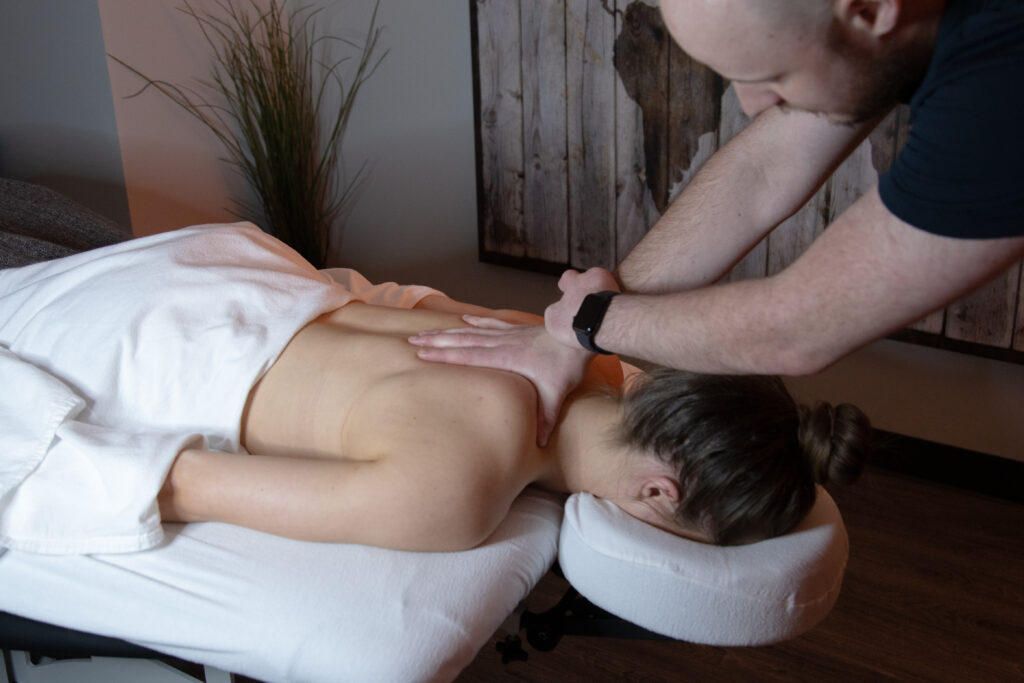
One misconception is that massage therapy only has value when pain exists. In reality, people often seek massage therapy to support:
- Recovery
- Stress management
- General muscle tension
- Physical workload
- Relaxation
- Movement comfort
- Overall wellness
For many people, regular care simply helps them feel like their body functions better overall.
Your lifestyle matters
Whether massage therapy feels worthwhile often depends on what your body is consistently dealing with. For example:
For desk workers
Long hours at a computer can create repetitive strain and tension patterns, especially through the neck, shoulders, and upper back.
For active individuals
People training regularly may use massage therapy to support recovery during higher training loads.
For physically demanding jobs
Tradespeople, healthcare workers, hairstylists, and others doing repetitive physical work often place high daily demands on their bodies.
For high stress lifestyles
Stress doesn’t only affect the mind; many people physically carry stress and tension throughout the body over time. Even if someone is not technically “in pain,” those demands still influence how the body feels and performs day to day.
Good care should still be individualized
Not everyone benefits from the same frequency or style of care. Best practice is to first be assessed by a massage therapist and discuss:
- Goals with care
- Activity levels
- Workload
- Stress levels
- Previous injuries
- How the body responds to treatment
From there, recommendations should be based on both:
- Objective findings
- The person’s goals
As treatment progresses, care should continue to be re-evaluated based on:
- How the body is responding
- Whether movement and tension improve
- Whether goals are being achieved
- Whether objective findings improve over time
Both subjective improvement and objective improvement matter.
Massage works best as part of a bigger picture
Massage therapy is often most effective when combined with:
- Regular movement
- Strength and mobility work
- Recovery habits
- Sleep
- Managing stress and workload
Massage alone doesn’t “fix” everything, but it can be an important part of supporting how the body handles daily physical stress.
Final thoughts
Massage therapy doesn’t have to be reserved only for moments when your body is already hurting. In fact, our massage therapists would tell you that some of the best treatment happens when someone is already feeling pretty good. That’s often when the body is most receptive to deeper work, ongoing maintenance, and long-term progress. The goal isn’t just getting out of pain temporarily. The goal is staying there.
If you’re not in pain, massage therapy can still be worth it—it often shifts from being “treatment for symptoms” to more of a maintenance tool for stress, mobility, and keeping your body moving well.
Book your massage appointment with our RMT, Zack Hynes here. You can also call us at (403) 930-8686 or email us at info@myolab.ca. We’re conveniently located 5 minutes from Sunnyside C-Train with complimentary parking.
Written & fact-checked by Zack Hynes
 Related Articles