
 Why Your Body Feels Stiff in the Morning
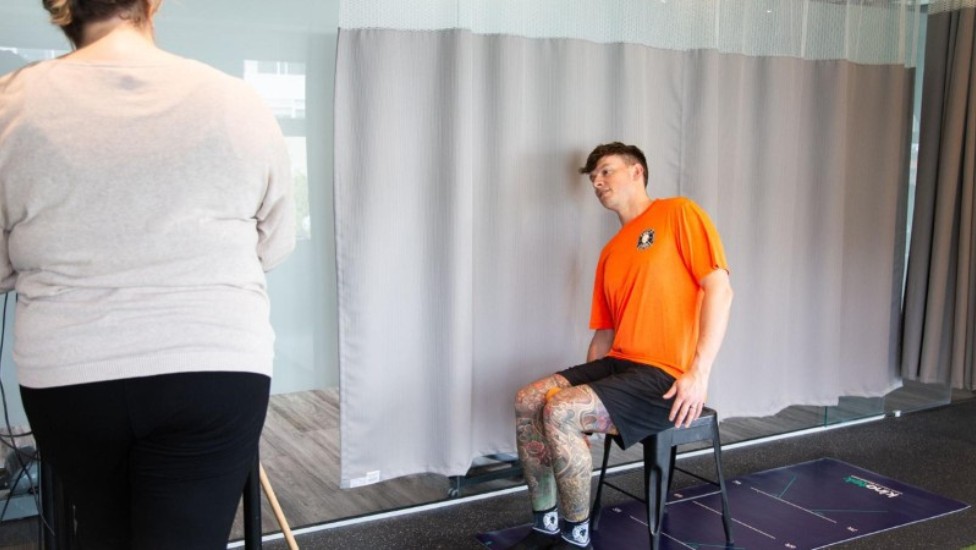
In my time as a chiropractor, morning stiffness is one of the most common things I hear about. It usually comes up as an afterthought. Patients mention it near the end of the visit, almost apologetically, right after they have explained it away.
“I probably just slept funny.”
“I trained hard the night before.”
“It is just my age.”
Here is what I tell them. Morning stiffness is not a throwaway detail. It is one of the more useful pieces of information you can give us, because how long it lasts and how it responds to movement helps point toward what is actually going on.
Why Is Stiffness Worse in the Morning?
Your body changes overnight, and some of it is completely normal.
Your spinal discs absorb fluid overnight, becoming more resistant to bending by morning. Research suggests that your lower back’s flexibility changes throughout the day. A 2025 study found that maximum lumbar flexion increased by about 2° from morning to evening. This may help explain why bending forward can feel stiffer first thing in the morning than later in the day.
On top of that:
- You spend long stretches moving much less than you do during the day.
- The discs in your lower back undergo measurable changes in their fluid-related properties throughout the day.
- Inflammatory activity follows a daily rhythm, with certain inflammatory markers rising in the early morning, particularly in people with rheumatoid arthritis.
- Disrupted sleep can increase pain sensitivity the following day.
Some morning stiffness is normal. What matters is how long it lasts, whether it improves with movement, and whether you notice any other symptoms.
What Does Morning Stiffness Tell a Clinician?
This is the part most people do not realize. Morning stiffness is a screening tool, and the details matter.
Two things are especially worth paying attention to:
- How long it lasts. Stiffness that clears relatively quickly is more commonly associated with mechanical or degenerative problems. Stiffness lasting longer than 30 minutes is a recognized feature of inflammatory back pain, although duration alone doesn’t tell the whole story.
- How it responds to movement and rest. Mechanical back pain often worsens with certain activities and may improve with rest. Inflammatory back pain tends to follow a different pattern, improving with exercise but not with rest.
Clinicians also look at when the symptoms began and how they developed. Research describes inflammatory back pain as typically developing gradually, often before age 45, with symptoms that may worsen at night and improve after getting up.
None of these signs confirms a diagnosis on its own. In fact, a 2024 systematic review found that inflammatory back pain symptoms alone have limited ability to distinguish axial spondyloarthritis from other causes of back pain.
But when someone tells me they wake up stiff for over an hour, feel better once they start moving, and feel worse after long periods of rest, that tells me there’s more worth investigating.
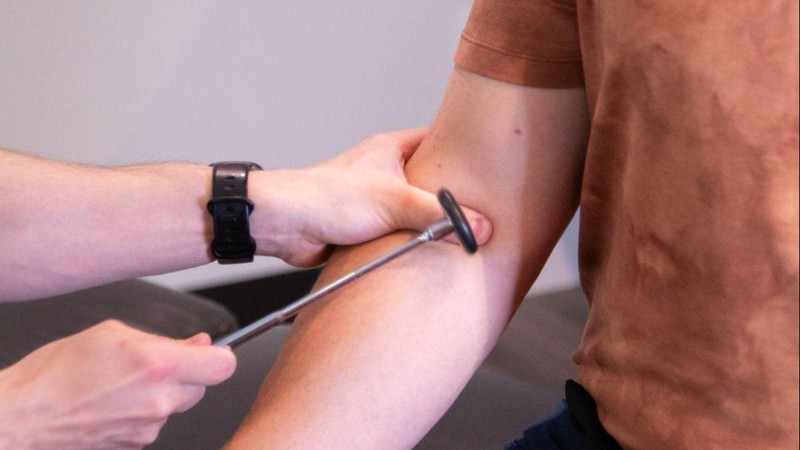
What Details Should You Actually Track?
If you want your morning stiffness to be useful information, pay attention to these:
- Duration. How many minutes until you feel loose? Ten minutes and an hour mean different things.
- Location. One joint, one region, or spread across multiple areas?
- Response to movement. Does moving help, or make it worse?
- Response to rest days. Better or worse after a day off?
- Night pain. Does it wake you up, and does getting up help?
- Pattern over time. Occasional, or most mornings for weeks or months?
When Should You Take It Seriously?

Most morning stiffness is mechanical and responds well to the right plan. But some patterns deserve prompt attention.
Worth booking an assessment if:
- Stiffness regularly lasts longer than an hour
- Symptoms improve with activity and worsen with rest
- You are under 40 and have had gradual onset back pain for more than three months
- Multiple joints are involved
- You have night pain that wakes you and eases when you get up
- It comes with swelling, fatigue, fever, or unexplained weight loss
That last group is a referral conversation, not a rehab conversation, and part of our job is recognizing when to send you elsewhere.
How Do We Address It at MYo Lab?
At MYo Lab, once the pattern is clear and falls within our scope of practice, the plan follows our three phase exercise rehabilitation framework.
- Release. Restore the joint and tissue mobility that has been lost.
- Stabilize. Rebuild the control that keeps those joints supported through the night and the early part of the day.
- Strengthen. Build the load tolerance that stops the stiffness from returning every morning.
We also look at other factors that may affect how you feel in the morning, like how well you sleep, your sleeping position, how much you exercise in the evening, and what you do after waking up. Even a few minutes of gentle movement before breakfast or starting work can make a noticeable difference.
Stop Explaining It Away

If you have been brushing off morning stiffness as bad sleep or getting older, it is worth a proper look. Not because it always signals something serious, but because it can be one of the clearest clues your body gives you about what is happening underneath.
An assessment at MYo Lab will focus on trying to sort out what kind of stiffness you are dealing with and what to do about it, whether that is in our clinic or a referral to the indicated profession.
Book an appointment with Dr. Rahul Yadav, a movement-based clinician with a strong athletic background whose approach lies in exercise rehabilitation and performance-focused care.
You can also call us at (403) 930-8686 or email us at info@myolab.ca for additional information.
We’re conveniently located 5 minutes from Sunnyside C-Train with complimentary parking.
Written & fact-checked by Dr. Rahul Yadav, DC, MSc.
 Related Articles