 Deep Tissue vs Relaxation Massage: What Does Your Body Actually Need?
When booking a massage, you’re probably wondering: “What kind of massage should I book?”
Or “Should I book a deep tissue or relaxation massage?”
A lot of people assume deep tissue is automatically “better” because it’s firmer or more intense.
Others may avoid it completely because they think it’s supposed to hurt.
The reality is that neither option is universally better. It actually depends on:
- What your body is dealing with
- Your goals with care
- How sensitive your system is
- Your activity levels
- How your body responds to treatment
Understanding the difference between the two can help you make a more informed decision and feel more confident when booking.
What is a relaxation massage?
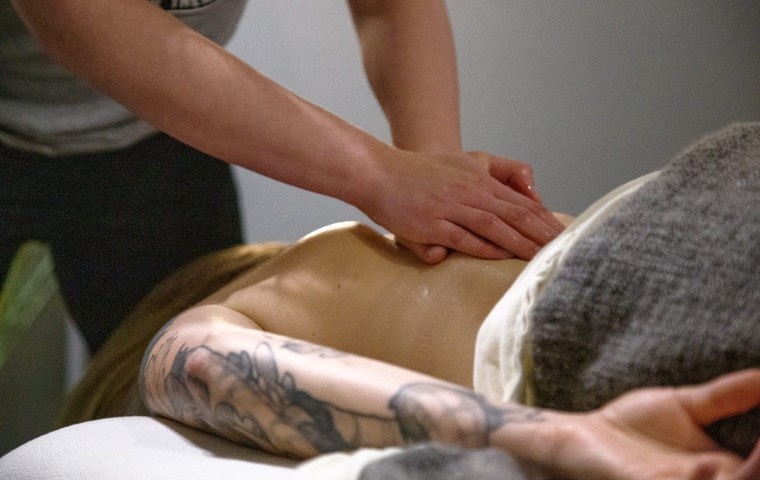
Relaxation massage is generally focused on helping the body and nervous system reduce overall tension and stress. One misconception is that relaxation massage always means very light pressure. That’s not necessarily true.
Relaxation massage can still involve moderate or even fairly direct pressure depending on the person and the therapist’s approach. The main difference is usually in the style and intent of treatment. Relaxation massage often uses:
- Longer strokes
- More fluid and connected movements
- General Swedish massage techniques
- A slower, calmer pace throughout the session
The treatment is typically designed to feel more full-body, flowing, and recovery-focused rather than highly targeted on one specific area. In many cases, relaxation massage is also a quieter and more calming treatment experience, allowing the nervous system and body to settle overall.
People often choose a relaxation massage when they:
- Feel generally tense or stressed
- Want to physically and mentally unwind
- Feel fatigued from daily life or work
- Need a recovery-focused session
- Prefer less localized or aggressive treatment
And despite the name, many people still notice significant improvements in muscle tension and movement afterward.
What is deep tissue massage?
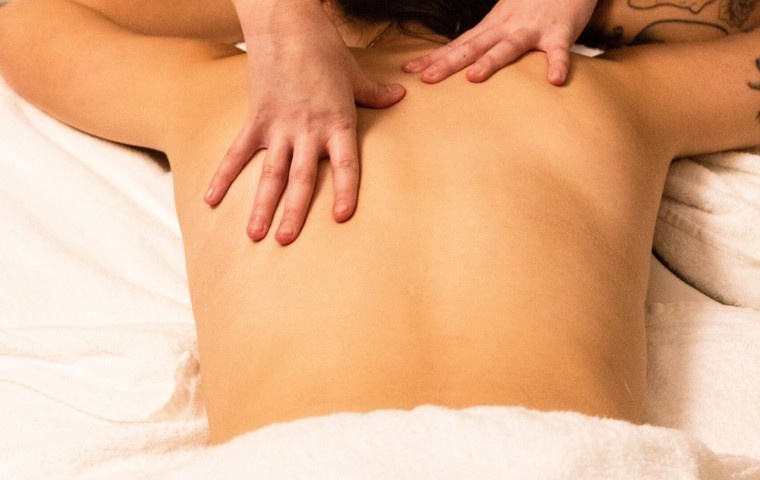
Deep tissue massage is generally more focused and targeted. Rather than emphasizing full-body flow, deep tissue massage is often directed toward:
- Specific areas of restriction
- Localized tension
- Areas carrying increased workload
- Repetitive strain patterns
The pressure is often slower and more intentional, with attention placed on deeper muscle layers and tissues that may not be tolerating stress well. People may choose a deep tissue massage when they:
- Feel a specific area needs attention
- Have physically demanding jobs
- Train regularly
- Feel restricted in certain movements
- Prefer firmer pressure
- Notice recurring tension in the same areas
If someone comes in saying:
- “My upper traps are constantly tight”
- “My hips always feel restricted”
- “My lower back keeps tightening up after work”
That’s where deep tissue massage may factor in more. The treatment becomes less about general relaxation and more about addressing a particular area or movement pattern.
Deep tissue does not mean “as painful as possible”
One of the biggest misconceptions in massage therapy is that more pressure automatically means better results.
That’s not always true.
A treatment should work with the body, not against it.
If pressure becomes too aggressive, the body may guard or tense up further, which can sometimes reduce how effective the treatment actually is.
The goal is not simply to create soreness afterward. It’s to help the body respond positively.
Sometimes deeper pressure is appropriate. Other times, the body responds better to a more moderate or relaxation-focused approach.
The best treatment is usually the one your body tolerates and responds to well, not necessarily the one with the highest intensity.
Sometimes people book the wrong type of massage, and that’s okay
A lot of people assume they already know what they need before coming in.
Sometimes they’re right. Sometimes they aren’t.
For example, someone may book a relaxation massage because they feel stressed and tense overall. But during the assessment, the massage therapist may identify more localized restrictions or movement-related tension patterns that would benefit from a more targeted deep tissue approach.
On the other hand, someone may think they need extremely deep pressure when their body may actually respond better to a calmer, more recovery-focused treatment.
Part of the massage therapist’s role is education.
It’s the therapist’s responsibility to:
- Assess what’s going on
- Understand the person’s goals
- Explain their findings
- Help guide treatment recommendations appropriately
That means if a different treatment style may better support someone’s long-term goals, the therapist should be able to communicate that clearly. The recommendation should always be based on:
- Objective findings
- The person’s goals with care
- How the body is responding over time
What about sports massage?
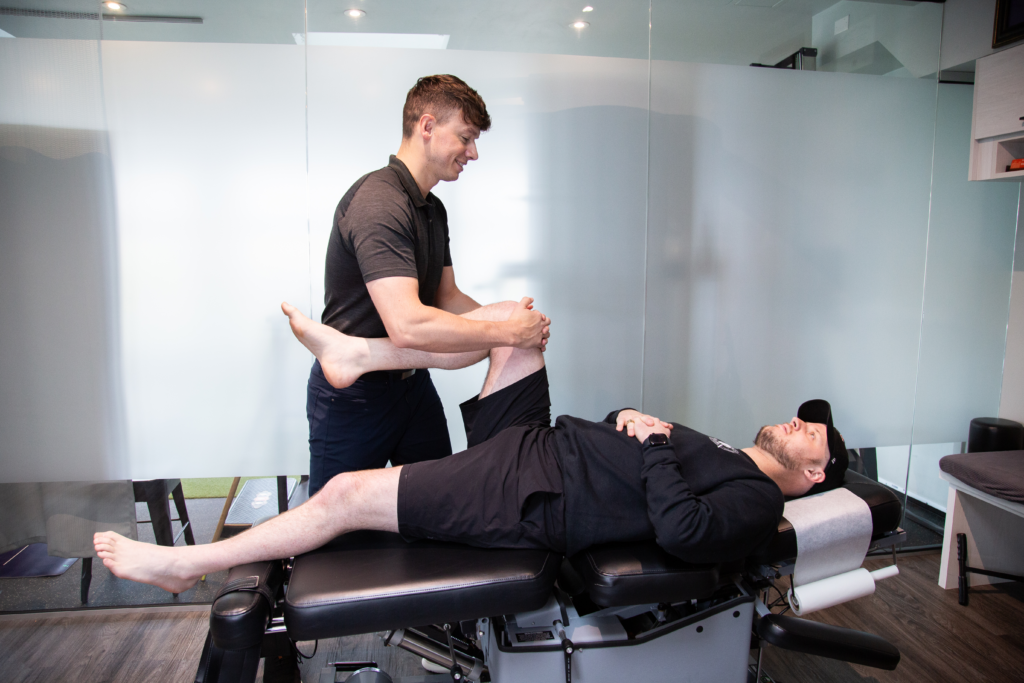
Sports massage is another term people hear often, but it’s not necessarily a completely separate category of care. Sports massage is generally more focused on:
- Activity demands
- Recovery
- Areas under repetitive stress
- Supporting movement and performance
Depending on the situation, sports massage may involve:
- Deep tissue techniques
- Mobility-focused work
- Recovery-focused treatment
- Faster-paced or more targeted approaches
And despite the name, you don’t need to be an athlete to benefit from it. Someone working a physically demanding job may place very similar physical stress on their body as someone training multiple times per week.
Your goals should guide treatment
One of the most important parts of massage therapy is the initial assessment and conversation. Before treatment, your massage therapist should help determine:
- What areas are bothering you
- How long it has been going on
- Your activity levels and workload
- Your goals with care
- How your body has responded to previous treatment
Those goals help guide the recommendation moving forward.
For example:
- Someone dealing with high stress and poor recovery may benefit from a more relaxation-focused approach
- Someone with recurring localized tension patterns may benefit from more targeted tissue work
- Some people may benefit from a combination of both styles within the same treatment
In reality, treatment is rarely completely one or the other. Good care is usually adaptable.
The body’s response matters most
Treatment recommendations shouldn’t stay fixed. At MYo Lab, it evolves over time.
There’s no exact formula for:
- How often someone should receive massage therapy
- What type of massage they should always book
- How much pressure should always be used
What matters most is:
- How the body responds
- Whether movement and tension improve
- Whether goals are being achieved
- Whether objective findings improve over time
Some people initially benefit from more focused deep tissue work and later transition into more maintenance or relaxation-focused care. Others realize their body responds better to less aggressive treatment than they originally expected. That’s why communication and reassessment are so important throughout the process.
Final thoughts

When comparing deep tissue vs relaxation massage, the question shouldn’t be “which one” or “how often”; it should instead be: “What does my body need right now?”
And the answer to that may change depending on your:
- Stress levels
- Physical workload
- Activity and training
- Recovery
- Sensitivity
- Goals with care
The best massage therapy approach is usually one that is individualized, reassessed over time, and based on how your body actually responds, not simply how intense the pressure feels.
Are you ready to feel good? Book your massage appointment with our RMT, Zack Hynes, here. You can also call us at (403) 930-8686 or email us at info@myolab.ca for more information. We’re conveniently located 5 minutes from Sunnyside C-Train with complimentary parking.
Written & fact-checked by Zack Hynes
 Related Articles