 Is Chiropractic Safe for Hypermobility?
If you’re hypermobile, it’s normal to have questions about what types of care are appropriate for your body, including Chiropractic care.
The most honest answer is: it depends on the person, the assessment findings, and the approach used.
First: what safe should mean in this context
When people ask “Is Chiropractic safe for hypermobility?” they’re often really asking:
– Will I feel worse afterward?
– Will I feel too loose or unstable?
– Is this the right tool for my symptoms?
– Are there techniques that should be avoided for me?
A safety-focused approach means:
– Taking a thorough history
– Screening for red flags and contraindications
– Choosing techniques that match your presentation
– Prioritizing function, strength, and control not just more movement
Why hypermobility requires a tailored approach
– Increased joint range of motion
– Reduced joint position sense (proprioception)
– Muscles that guard to create stability
– Signs and Symptoms that shift based on stress, sleep, training load, and posture
Because of this, a one-size-fits-all approach is rarely ideal.
What Chiropractic care may focus on (MSK scope)
In a hypermobility-friendly plan, Chiropractic care may include:
– Assessment of joint motion and movement patterns
– Education on posture, load management, and flare-up strategies
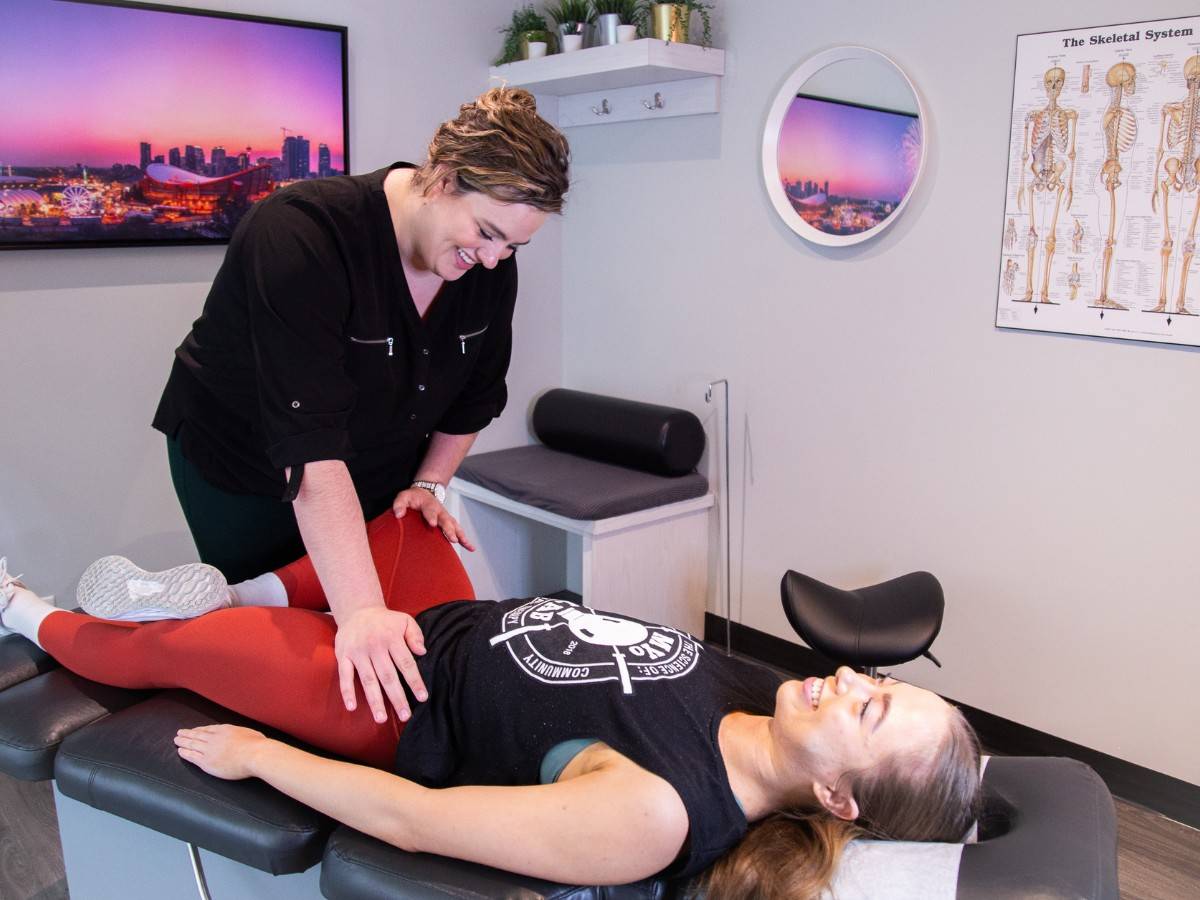
– Manual techniques when appropriate (not always high-velocity)
– Exercise guidance focused on stability and control
– Coordination with other MSK providers when helpful (e.g., massage therapy, strength coaching)
Techniques and intensity matter
Not every hypermobile person responds the same way.
Some people do well with gentle mobilizations or low-force approaches. Others tolerate specific manipulative techniques well when they’re targeted and followed by stability work.
Key point: the goal isn’t to make you looser. The goal is to help you move and function better with less irritation.
Signs you may need a different approach
Consider discussing modifications if you notice:
– You feel unstable or floppy after treatment
– Relief is very short-lived and you flare repeatedly
– You feel like you need constant cracking to get through the day
Those patterns can be a clue that your plan needs more emphasis on strength, endurance, and motor control.
What tends to improve outcomes for hypermobile people
Across many MSK plans, these elements often matter most:
– Strength training (especially hips, trunk, shoulder girdle)
– Isometrics and tempo work to build joint confidence
– Proprioception training (balance, control drills)
– Load management (training volume, recovery, sleep)
– Manual therapy used strategically not as the only tool
Book at MYo Lab (Calgary)
If you’re hypermobile and unsure what type of Chiropractic approach is right for you, we can assess your movement, discuss options, and build a plan that prioritizes stability, function, and your goals.
Book your assessment: – Call: (403) 930-8686 – Email: info@myolab.ca – Visit: 227 10 St NW, Suite 300, Calgary, AB
Conveniently located 5 minutes from Sunnyside C-Train with complimentary parking.
Written & fact-checked by Dr. Chantelle Green.
 Related Articles