 Considerations for Manual Therapy + Hypermobility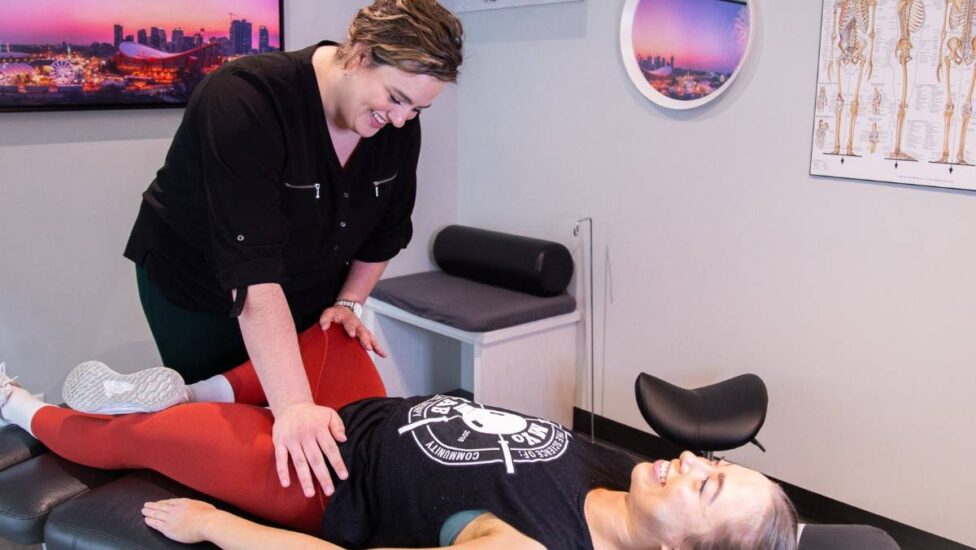
Manual therapy can be a helpful part of care for many musculoskeletal (MSK) concerns, especially when pain, stiffness, or sensitivity is limiting your day-to-day movement.
If you’re hypermobile, though, it’s worth taking a slightly more thoughtful approach.
At MYo Lab in Calgary, we often meet people who say things like:
- Massage feels amazing but the relief doesn’t last
- Adjustments help but I feel loose after
- Stretching and rolling are the only things that calm it down
What manual therapy can include
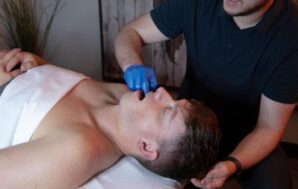
Manual therapy is a broad term that may include:
- Joint mobilizations or manipulative techniques (when clinically appropriate)
- Soft tissue therapy (massage, trigger point work)
- Myofascial techniques
- Instrument-assisted soft tissue work
- Movement-based hands-on cueing
Different people respond differently and hypermobility adds a layer of nuance.
Why hypermobility changes the conversation
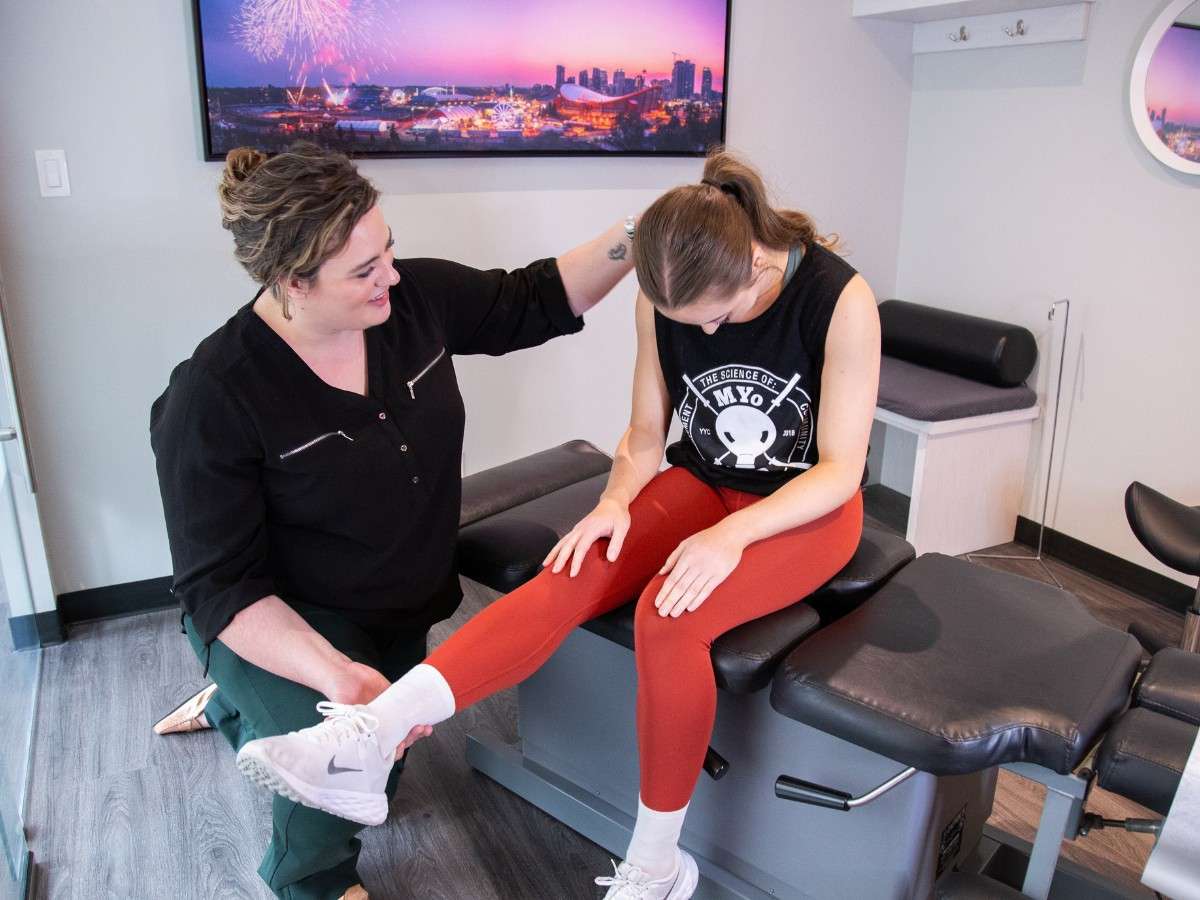
Hypermobility often means your joints have more available range of motion than average. That can be totally fine, until the body starts relying on muscles and connective tissue to create stability.
Two things can be true at once:
- You may feel tight (because muscles are guarding)
- Your joints may still be too mobile (because the system lacks control)
So the question becomes: Are we using manual therapy to help you move better or are we chasing temporary relief without building stability?
When manual therapy can be helpful for hypermobility
Manual therapy may be useful when it helps you:
- Reduce pain sensitivity so you can tolerate exercise and daily activity
- Improve comfort enough to sleep, work, or train
- Decrease protective guarding in overworked muscles
- Improve movement options (especially in areas that are truly stiff)
For many hypermobile people, the best results come when manual therapy is paired with a plan to build strength, endurance, and control.
Common pitfalls (and how to avoid them)
1) Treating every tight area as something that needs more mobility
If a joint is already very mobile, pushing more range can sometimes increase irritation.
A better approach: aim to improve how you control your existing range, especially mid-range before chasing end-range.
2) Feeling loose after treatment
Some hypermobile people love the immediate light feeling after hands-on work. Others feel unstable afterward.
What helps:
- Discussing this response with your provider
- Adjusting technique choice, intensity, and target areas
- Following hands-on work with stabilizing exercises (even simple ones)
3) Relying on passive care only
If the plan is only hands-on care, its common to get stuck in a loop: feel better -> return to normal activity -> flare again
A better approach: manual therapy as a tool to support an active plan.
A hypermobility-friendly framework: Calm it down, then build it up
A practical sequence that often works well:
1. Calm symptoms (as needed) with education, activity modification, and hands-on care
2. Build capacity with strength and endurance training
3. Train control (proprioception, tempo work, isometrics)
4. Progress toward your goals (sport, lifting, desk tolerance, parenting, etc.)
What to expect in an assessment at MYo Lab (Calgary)
A good assessment should look beyond where it hurts and consider:
- Which joints are hypermobile vs. truly stiff
- How well you control mid-range positions
- Strength/endurance of key stabilizers (hips, trunk, shoulder girdle)
- Movement patterns that repeatedly flare symptoms
Book at MYo Lab (Calgary)
If you’re hypermobile and wondering whether manual therapy is helping or just providing short-term relief, we can assess what’s driving your symptoms and build a plan that supports your goals.
Book your assessment: – Call: (403) 930-8686 – Email: info@myolab.ca – Visit: 227 10 St NW, Suite 300, Calgary, AB
Conveniently located 5 minutes from Sunnyside C-Train with complimentary parking.
Written & fact-checked by Dr. Chantelle Green.
 Related Articles