 Why Does My Jaw Hurt? Understanding TMJ Dysfunction and Jaw Pain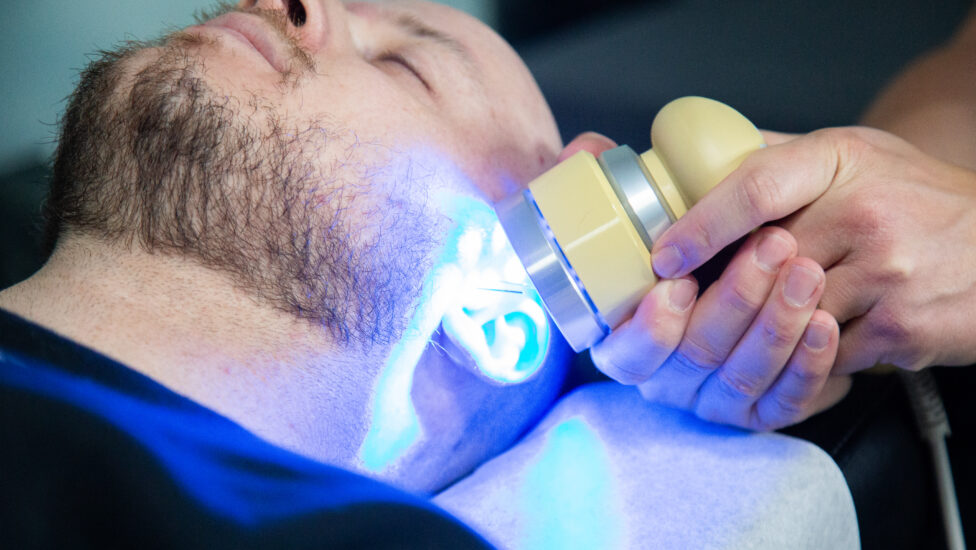
Have you been told by your dentist or doctor that you have TMJ dysfunction?
Do you wake up with jaw pain or notice discomfort after a long workday?
Jaw pain is more common than many people realize. Stress, teeth grinding, and muscle tension can all contribute to discomfort in the jaw and surrounding muscles.
At MYo Lab, we often see people dealing with jaw pain, headaches, and tension that can be traced back to the muscles and joints involved in chewing and speaking.
The good news? Many cases of jaw discomfort respond well to conservative treatment and targeted muscle care!
But before we jump into that, there’s one question we hear often…
Why Does Stress Cause Jaw Pain?
Stress can have a significant impact on the body, including the muscles that support the jaw.
During busy or stressful periods, many people unconsciously clench their jaw, grind their teeth at night, or carry tension in their neck and shoulders. Over time, this can place extra strain on the muscles that control jaw movement.
This tension may lead to:
- Jaw clicking or popping
- Muscle tension and soreness
- Headaches
- Restricted jaw movement
- Pain when chewing or talking
Even mild clenching throughout the day can add up over time.
How Can I Check My Jaw Mobility at Home?

A simple way to assess your jaw mobility is the “three-finger test.”
Place three fingers vertically between your upper and lower teeth. Most people should be able to do this comfortably without significant pain or restriction.
You should be able to:
- Open your mouth without pain
- Avoid excessive tension in the jaw muscles
- Open without clicking or popping in the joint
If this movement feels restricted or uncomfortable, it may indicate an issue involving the temporomandibular joint (TMJ) or the surrounding muscles.
What Muscles Control Jaw Movement?
The jaw relies on several muscles working together to open, close, and move side-to-side.
Understanding these muscles helps explain why tension, overuse, and stress can create pain and dysfunction.
1. The Masseter Muscle
The masseter is one of the strongest muscles in the body relative to its size.
Its primary role is to close the jaw during chewing and biting. People who clench their teeth often develop significant tension in this muscle.
2. The Temporalis Muscle
The temporalis is a fan-shaped muscle located on the side of the skull.
It helps close the jaw and pull it backward. Tightness in this muscle can sometimes contribute to headaches around the temples.
3. The Medial Pterygoid Muscle
The medial pterygoid works with the masseter to close the jaw.
It also helps create side-to-side jaw movements used during chewing.
4. The Lateral Pterygoid Muscle
The lateral pterygoid plays a key role in opening the mouth and moving the jaw forward.
When this muscle becomes irritated or dysfunctional, it can contribute to clicking, popping, and altered jaw mechanics.
How Can a Chiropractor Help with TMJ Dysfunction?
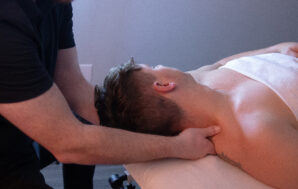
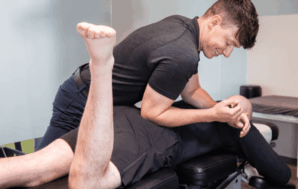
Chiropractic care can help improve jaw function by addressing muscle tension, joint mobility, and contributing factors throughout the neck and upper body.
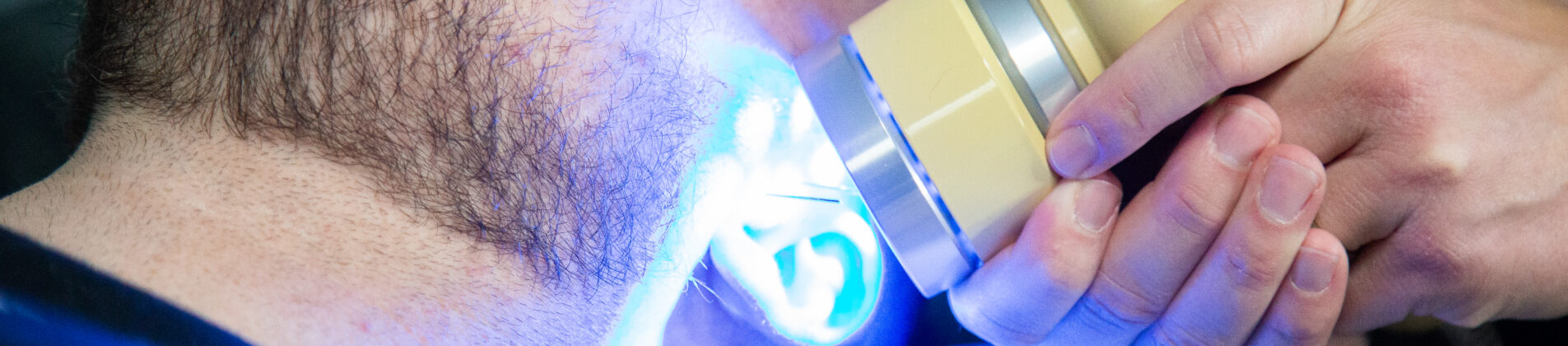
At MYo Lab, your treatment may include:
- Manual therapy for tight jaw muscles
- Joint mobilization techniques
- Soft tissue treatment
- Postural assessment
- Exercise rehabilitation to improve jaw function
Because the jaw, neck, and upper back work closely together, addressing the entire system often produces better results than focusing on the jaw alone.
Many people are surprised to learn that improving neck mobility and posture can reduce jaw symptoms.
When Should I Seek Treatment for Jaw Pain?
If jaw pain, clicking, headaches, or restricted movement are affecting your daily life, it’s worth having the issue assessed.
Early intervention can help prevent ongoing irritation and may reduce the likelihood of chronic symptoms developing.
Ready to Get to the Root of Your Jaw Pain?

Jaw pain doesn’t have to become your new normal. If you’re dealing with clicking, tension, headaches, or discomfort when chewing or talking, a thorough assessment can help identify what’s contributing to your symptoms and the best path forward.
Book your chiropractic appointment to get moving, eating, and speaking more comfortably again.
Written and Fact-Checked by Dr. Shelly Bouvier
 Related Articles